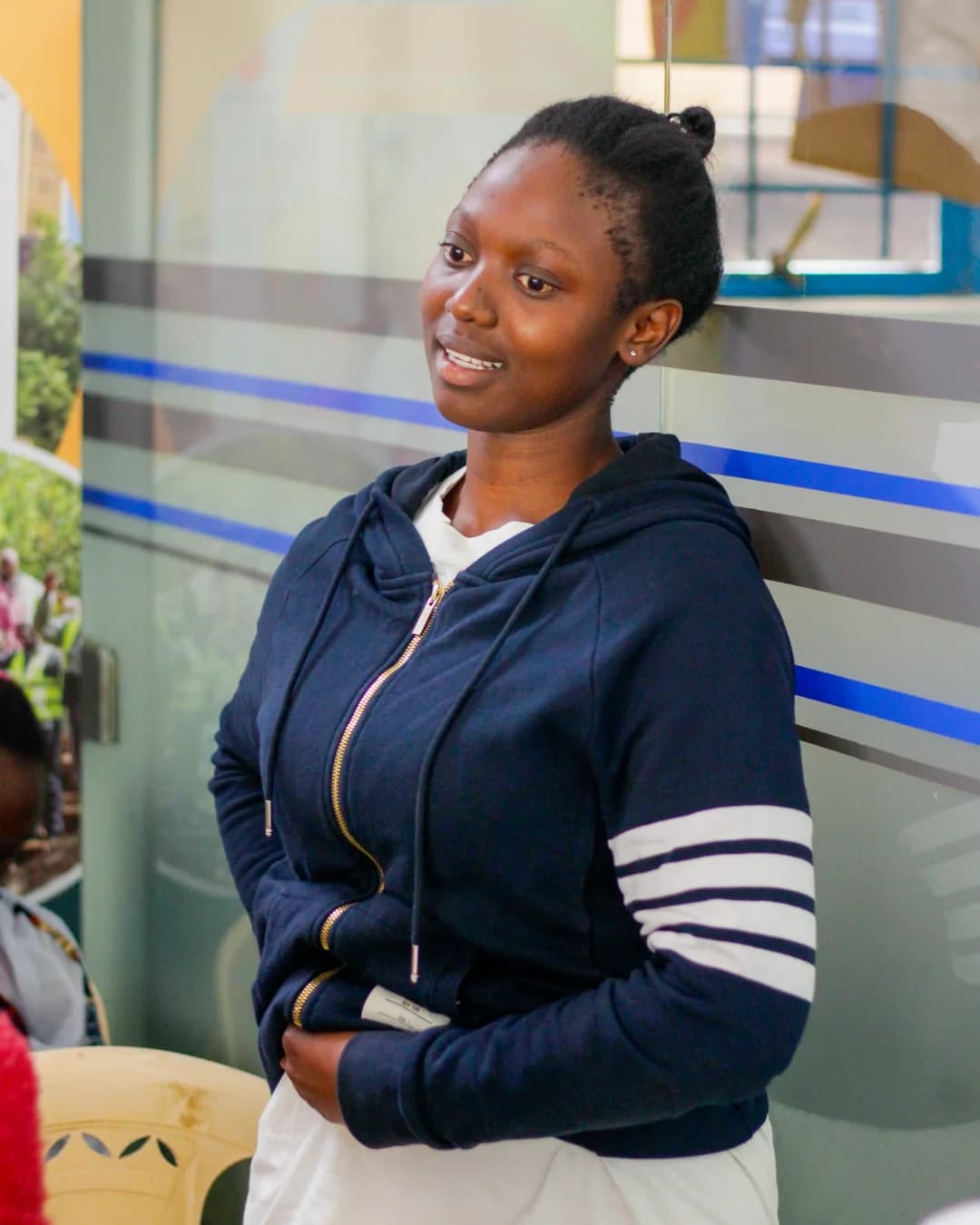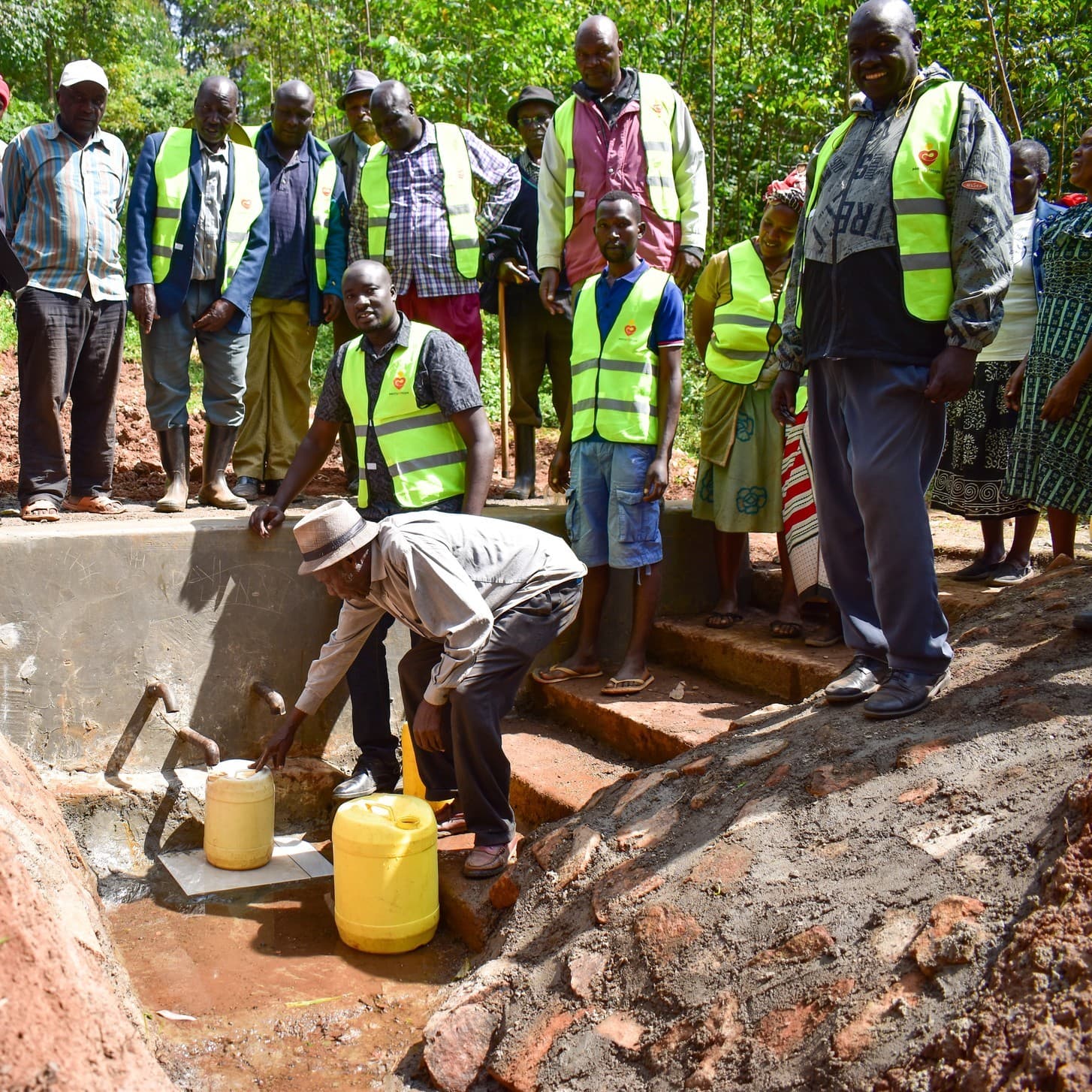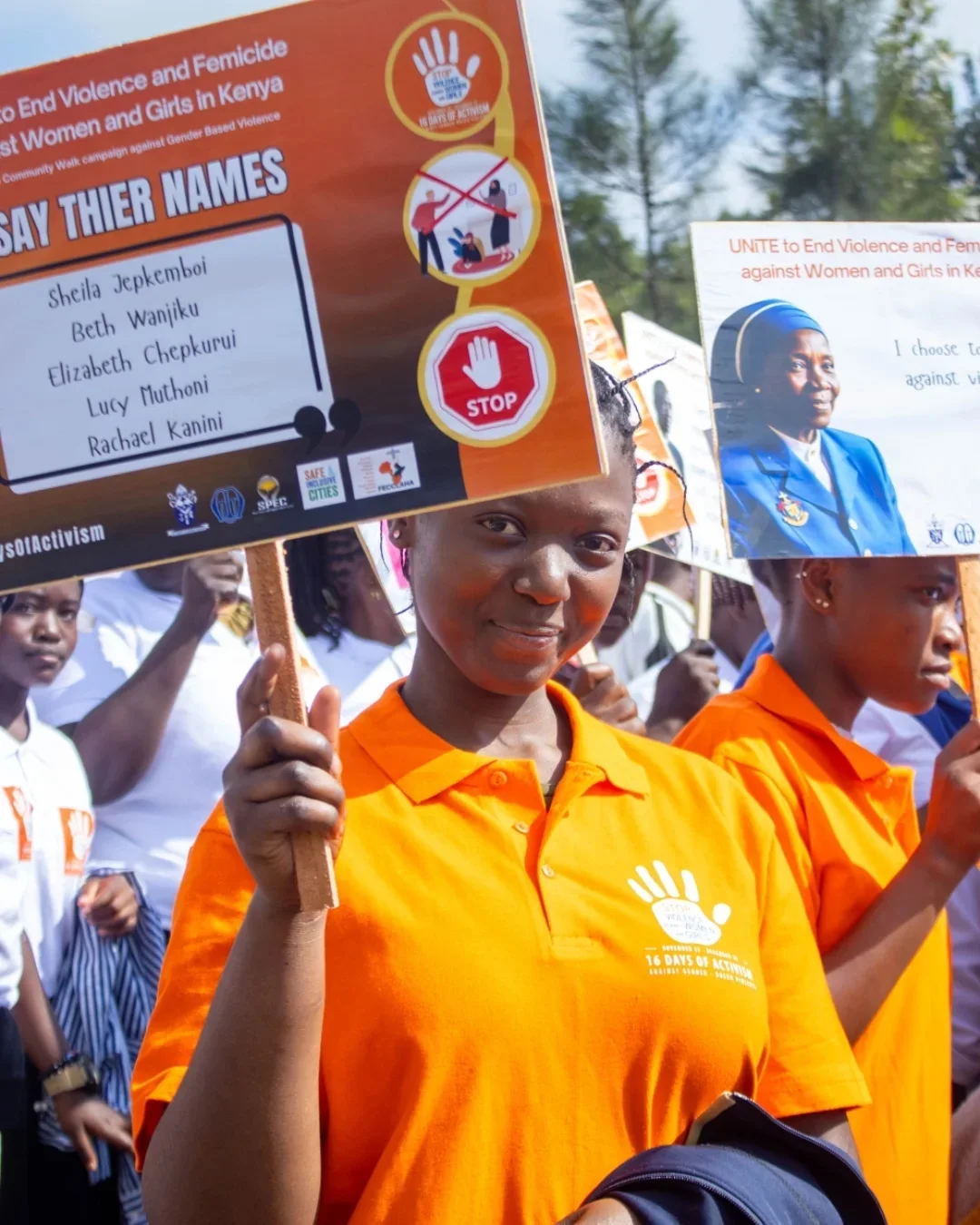
In Kibra, many women carry the primary financial responsibility for their households while navigating limited access to formal employment, credit, and training. Mercy of Hope's Women Empowerment Drive was designed not as a handout, but as a structured pathway toward self-reliance.
“They did not just give us things. They gave us the thinking behind the things.”
Skills before startup kits
The program began with workshops on budgeting, pricing, record-keeping, and savings group formation. Participants learned how to evaluate a market, calculate profit margins, and plan for slow months. Only after completing the training module did each woman receive a customized startup kit — matched to the business she planned to pursue, whether that was tailoring, food preparation, soap-making, or retail.
A network that sustains itself
The most powerful outcome was not the kits themselves, but the savings group that formed organically among participants. The women now meet weekly, pool contributions, and take turns accessing small loans from the group fund. Several have reinvested into their businesses, hired help, or covered their children's school fees from the profits. The program showed that when women are trusted with resources and knowledge, they build structures that outlast the intervention.